Floral Element. Decorative Branch. Ornat
When I sit down to review a new digital asset for my embroidery studio, I am rarely looking at just a pretty picture. I am looking at a potential finished product. As an experienced designer who has stitched thousands of designs on everything from heavy denim to delicate muslin, I know that the gap between a vector file and a stitched masterpiece can be wide. Today, I am evaluating Floral Element. Decorative Branch. Ornat, an Illustrations category graphic that promises ornate natural botany. My goal is to determine if this design holds up under the needle or if it remains strictly a decorative asset for print-on-demand mockups.
The First Impression: Mood and Layout
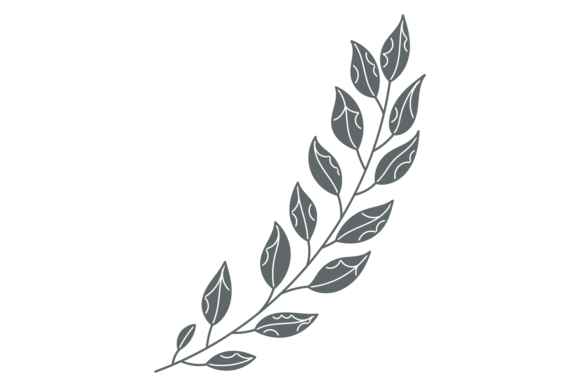
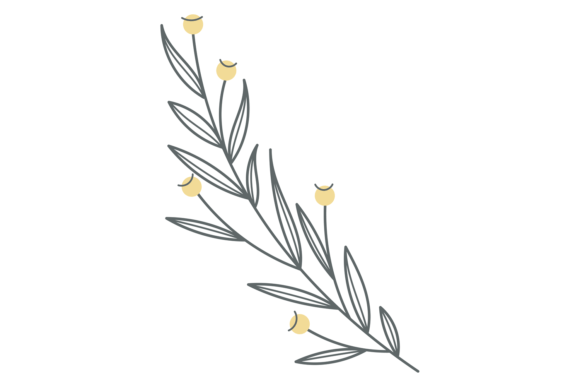
At first glance, Floral Element. Decorative Branch. Ornat exudes a vintage, romantic energy. The layout is linear but organic, mimicking the natural growth pattern of a climbing vine or a cut flower branch. It feels less like a rigid geometric logo and more like a hand-drawn sketch brought to life. For an Graphics asset intended for machine embroidery, this fluidity is both its greatest strength and its potential weakness.
The visual personality suggests elegance. It does not scream for attention with bold, blocky shapes; instead, it whispers sophistication. This makes it an excellent candidate for projects where subtlety is key. When I imagine this design stitched onto fabric, I see soft curves and intricate details that invite the viewer to look closer. However, as a reviewer, I must ask: will those intricate details survive the stitching process? The "ornate" nature of the description implies fine lines and small petals, which require precision from both the digitizer and the embroiderer.
Real-World Application: From Screen to Stitch
To truly understand the value of this design, I put myself in the shoes of a small business owner preparing inventory for the upcoming holiday season. Let’s say I am creating a line of personalized gifts for Etsy sellers and craft fair attendees. Here is how Floral Element. Decorative Branch. Ornat performs in specific scenarios.
Custom Apparel and Tote Bags
This design shines on larger canvas items. Imagine a sturdy canvas tote bag featuring this branch embroidered vertically along one side seam. The linear flow of the branch complements the vertical drop of the bag perfectly. Because the design is isolated on a white background in its source file, it translates cleanly to various thread colors. On a neutral beige or cream tote, using variegated threads could bring out the depth of the leaves. For custom apparel, such as a sweatshirt embroidery placed over the heart, the ornate branch adds a touch of luxury without overwhelming the garment. It elevates a basic hoodie into a boutique item.
Baby Items and Nursery Decor
There is a growing market for gentle, nature-inspired nursery decor. Floral Element. Decorative Branch. Ornat fits this niche beautifully. When scaled down appropriately, the branch creates a soft border for a baby blanket or a crib sheet. The natural botany theme resonates with parents looking for calming, organic aesthetics. However, caution is required here. If the design includes tiny, sharp points, they may look fragile on a soft cotton muslin. I recommend using a satin stitch for the main outlines to ensure durability against frequent washing, while fill stitches can add texture to the larger leaf areas.
Holiday Embroidery and Wedding Gifts
During the winter holidays, this design takes on a different character. If stitched in deep greens and golds, it becomes perfect for kitchen towels or tea towels used during festive gatherings. The ornate style pairs well with traditional holiday motifs. Similarly, for wedding gifts, this branch can serve as a monogram frame. Placing initials within the curve of the branch creates a personalized gift that feels bespoke and high-end. It works exceptionally well as an embroidered patch for guests’ jackets or as a decorative element on pillow covers.
Technical Considerations and Pitfalls
Not every surface is created equal, and Floral Element. Decorative Branch. Ornat requires careful placement to avoid common embroidery mistakes. Here is where designers need to pay close attention.
- Small Hoop Sizes: While the design looks elegant, shrinking it too much can cause detail loss. In small hoop sizes, the fine lines of the ornate branches may merge together, creating a muddy appearance rather than distinct botanical elements. Test the design in your smallest intended hoop size before committing to production.
- Textured and Stretchy Fabrics: Avoid placing this design on heavily textured fabrics like chunky knits or stretchy spandex blends without proper stabilization. The complexity of the branch may distort on stretchy materials, causing the floral elements to warp. If you must use these fabrics, a cut-away stabilizer is non-negotiable to maintain shape integrity.
- Dark Fabric Contrast: Since the source is isolated on white, ensure you have sufficient thread contrast when moving to dark fabrics. A black branch on a navy shirt might disappear. Use light or metallic threads to ensure the ornate details pop against darker backgrounds.
- Dense Stitch Areas: Check the stitch density in the digitized version. Ornate designs often tempt digitizers to pack stitches tightly. Too much density can make the fabric stiff and bulky, ruining the drape of a t-shirt or apron. Aim for a balance between detail and breathability.
Visual Appeal and Brand Consistency
From a branding perspective, Floral Element. Decorative Branch. Ornat offers versatility. It helps establish a cohesive visual identity for handmade products. Whether you are selling digital embroidery files or physical goods, this design conveys professionalism and attention to detail. Customers trust brands that present their work with care, and a clean, well-executed embroidery of this branch signals quality.
For digital product sellers, this design serves as a strong design asset for printable mockups. It allows you to showcase your embroidery services or other digital assets in a realistic context. By demonstrating how the branch looks on real-world items, you increase buyer engagement and help customers visualize the final product.
Practical Designer Notes
Before incorporating Floral Element. Decorative Branch. Ornat into your commercial embroidery workflow, follow these essential steps:
- Test on Scrap Fabric: Always run a test stitch on the exact fabric type you plan to use. This reveals issues with tension, puckering, or color blending early.
- Review Stitch Types: Ensure the design utilizes a mix of satin stitch for crisp edges, fill stitch for body, and running stitch for delicate accents. A good mix prevents the design from looking flat.
- Check Licensing: Confirm whether the license allows for commercial use. If you are selling finished products, you need explicit permission to use the design commercially. Do not assume standard personal use licenses cover merchandise sales.
- Inspect Small Details: Zoom in on the digital preview. Are there any overlapping paths that might cause stitching errors? Are the tiniest details large enough to be stitched reliably?
- Compare Backgrounds: View the design in black and white mockups to check contrast. This helps ensure the design remains legible regardless of thread color choices.
Final Verdict
Floral Element. Decorative Branch. Ornat is a sophisticated choice for embroidery designers seeking to add a touch of nature-inspired elegance to their projects. It is particularly well-suited for custom apparel, tote bags, baby items, and personalized gifts where a refined aesthetic is desired. While it requires careful attention to hoop size, fabric choice, and stitch density, the result is a high-quality finished product that stands out in a crowded market. For Etsy sellers, craft business owners, and creative entrepreneurs, this design offers a reliable way to elevate their brand and delight customers with professional-grade embroidery.