Floral Line Art Flower SVG Elements-10: Graphics and Freebies Review
As a graphic designer who spends half my day wrestling with client brand guidelines and the other half trying to make sure every pixel serves a purpose, I don’t have time for assets that look generic or fall apart when scaled. When I see a new entry in the Freebies category, especially one labeled as Graphics, my first instinct is skepticism. Is this just another low-res clipart dump? Or is it a polished, professional tool that can elevate a project?
I recently put Floral Line Art Flower SVG Elements-10 through its paces. My goal was simple: determine if this asset pack could be trusted for a real client project—specifically, a rebranding package for a boutique skincare line that wanted to emphasize natural ingredients and artisanal quality. Here is my honest, practical review of how this design asset performs in the wild.
The First Impression: Mood and Style
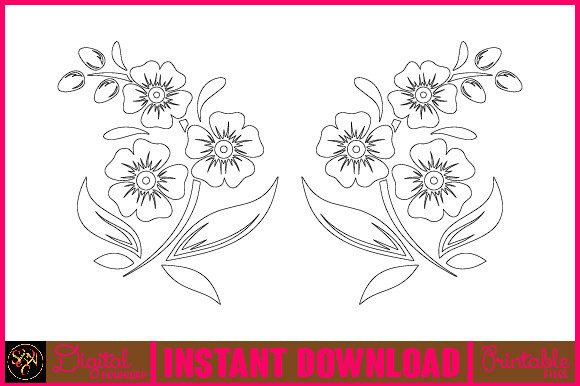
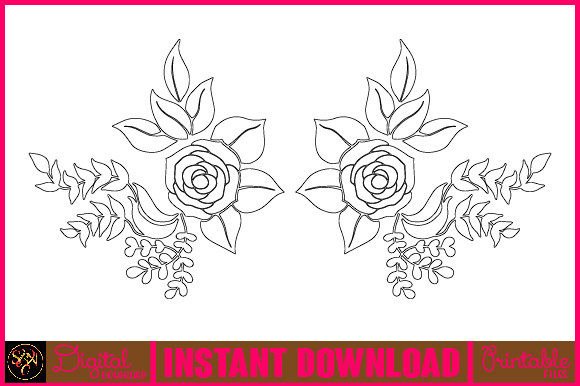
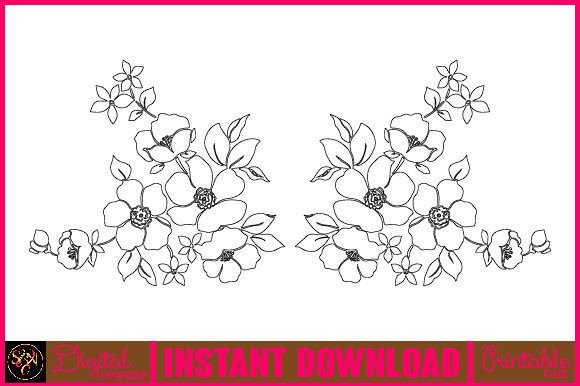
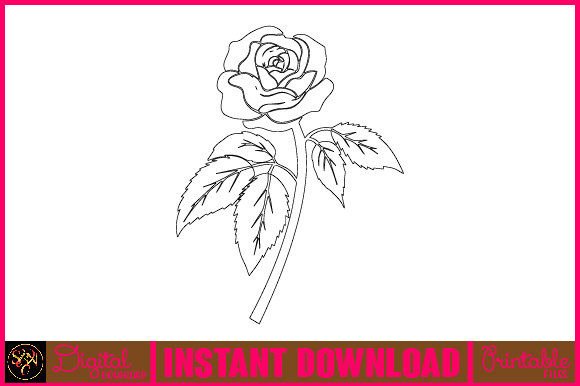
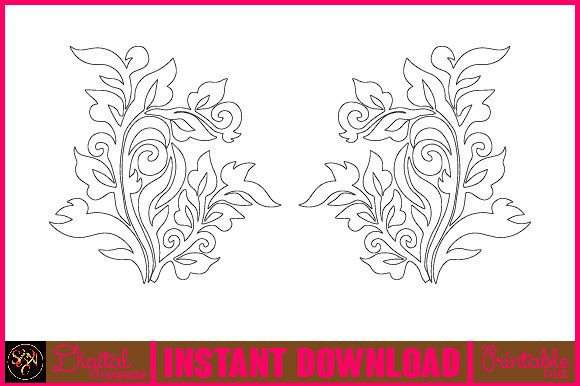
When you open the folder containing Floral Line Art Flower SVG Elements-10, the immediate takeaway is the consistency of the line weight. In the world of botanical illustration, uneven lines can scream "amateur," but these elements feel deliberate. The description mentions a "hand drawn floral wreath" and "botanical leaf decorative floral picture," and visually, that translates to an elegant, organic aesthetic. It isn’t rigidly geometric; it breathes.
The style leans heavily into modern minimalism with a touch of vintage charm. The inclusion of branches, sketches, and calligraphic touches suggests that these aren't just isolated flowers—they are part of a larger narrative. For a small business branding project, this is crucial. You aren't just slapping a flower on a label; you are building a visual identity that feels cohesive. The line art creates a sense of lightness and airiness, which is perfect for brands in wellness, beauty, or lifestyle sectors.
Real-World Application: From Packaging to Social Media
Let’s talk about where this graphic design asset actually shines. In my test scenario, I needed to create product labels, social media graphics, and a website header. Here is how Floral Line Art Flower SVG Elements-10 performed in each context.
- Packaging Design: This is arguably the strongest use case. The intricate details of the hand-drawn flower illustration work beautifully on packaging. Because the lines are clean, they print sharply even at smaller sizes. I used the branch elements to frame the product name, creating a sophisticated border that draws the eye inward without overwhelming the text. It elevates the perceived value of the product, making it look like a premium item rather than a mass-produced commodity.
- Social Media Graphics: For Instagram posts and Pinterest pins, versatility is key. These elements allowed me to create varied layouts quickly. I took individual leaves and scattered them subtly behind quotes, using them as supporting brand elements rather than the main focus. The SVG design format meant I could change colors instantly to match different campaign themes—soft pastels for spring, deep greens for eco-conscious messaging.
- Merchandise and Print-on-Demand: If you are a digital seller or run a print-on-demand shop, this design bundle is a goldmine. The line art scales infinitely without losing quality. I tested it on t-shirt designs and tote bags. The simplicity of the line work ensures that the design remains readable and impactful, even when applied to textured fabrics. It works exceptionally well for sticker design projects, where clean edges are necessary for easy peeling and application.
Where Caution is Required
No asset is perfect, and knowing where not to use something is just as important as knowing where to use it. While Floral Line Art Flower SVG Elements-10 is versatile, there are specific scenarios where it might struggle.
First, avoid using these elements in extremely crowded layouts. Because the design relies on negative space to let the line art breathe, placing too many elements together can create visual clutter. If your layout already has heavy typography and multiple images, adding complex botanical frames might destroy the visual hierarchy. Keep it simple. Let the art be the star, not the background noise.
Second, be mindful of contrast. Line art requires a distinct background to stand out. On low-contrast backgrounds, such as light gray on white, the delicate lines can disappear. Always preview your design on both light and dark backgrounds before finalizing. Additionally, while the vector nature of the SVG design allows for scaling, extremely small sizes (like favicon size) may lose their detail. In those cases, consider simplifying the element or using a simplified version if available.
Technical Considerations for Professional Use
Before dropping this into a commercial project, there are a few technical checks every designer should perform. Even though this is listed under Freebies, treating it with professional rigor ensures client satisfaction.
- File Format Inspection: Confirm whether you are receiving true vector files (SVG, AI, EPS) or rasterized versions (PNG). For commercial design and large-format printing, vectors are non-negotiable. If PNGs are included, check the transparency. A clean alpha channel is essential for layering over photos or colored backgrounds without ugly white boxes.
- Typography Pairing: The elegance of the hand-drawn sketch pairs best with serif fonts for headings, which complement the organic curves. For body text, stick to clean sans-serif fonts to maintain readability. Avoid pairing it with overly ornate script fonts unless you are very skilled in typography, as the combination can become chaotic. Display fonts can work for short titles, but ensure the weight matches the line thickness of the illustrations.
- Color Testing: Test the black and white version first. If the design doesn’t work in monochrome, it likely won’t work in color either. This step helps verify the structural integrity of the illustration. Then, experiment with duotones or single-color applications, which are very trendy in modern design.
- Licensing Verification: This is critical. Just because something is free does not mean it is free for commercial use. Check the license agreement carefully. Does it allow for end-product sales? Can you modify the elements? For client work, you need explicit permission to use the asset in a way that generates revenue. If the license is unclear, do not use it for a paid project.
Final Verdict: Is It Client-Ready?
After extensive testing, my conclusion is yes. Floral Line Art Flower SVG Elements-10 is a high-quality creative design resource that offers significant value. It provides the emotional appeal and artistic touch that handmade businesses and boutique brands crave, without requiring you to draw from scratch.
It is particularly effective for enhancing brand identity and creating memorable marketing visuals. Whether you are designing a Canva template for a client, working on a Cricut project for vinyl decals, or crafting a full editorial design spread, these elements add a layer of polish that elevates the entire composition. They help build visual trust and recognition by providing consistent, beautiful motifs that audiences associate with quality and care.
For designers looking to expand their toolkit with affordable, high-impact design assets, this collection is a smart addition. It balances aesthetic beauty with functional usability, making it a reliable choice for everything from web design to physical product manufacturing. Just remember to respect the licensing, test your contrasts, and keep your layouts uncluttered. When used thoughtfully, Floral Line Art Flower SVG Elements-10 can transform a good design into a great one.