Floral Line Art Flower SVG Elements 35 Review
As a designer who spends more time staring at digitized files than sleeping, I have developed a fairly strict filter for new assets. When Floral Line Art Flower SVG Elements 35 landed on my desk, I didn’t just look at the preview image; I looked at how it would behave under the needle. The description promises hand-drawn floral wreaths, botanical leaves, and calligraphic elements, which is a crowded market. However, the distinction between a generic clip-art flower and a design that actually holds up in real-world embroidery is where most products fail. After testing this file for potential use in custom apparel and boutique merchandise, here is my honest assessment of its practical value.
The First Impression: Mood and Visual Personality
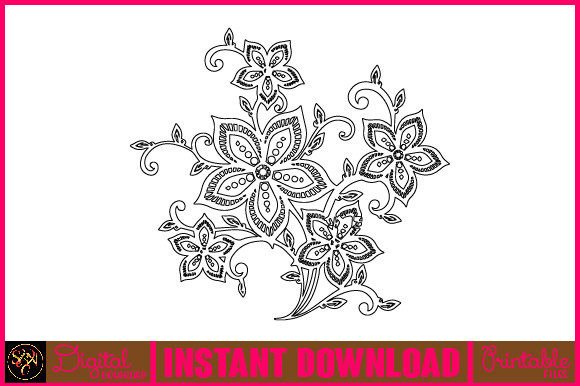
The immediate takeaway from Floral Line Art Flower SVG Elements 35 is its restraint. In a world of dense, heavy fill stitches that can weigh down fabric or cause puckering, line art offers a breath of fresh air. The visual personality here is delicate, sophisticated, and slightly vintage. It feels less like a rigid corporate logo and more like a sketchbook illustration brought to life. This mood translates exceptionally well into products that require a sense of intimacy or artisanal quality.
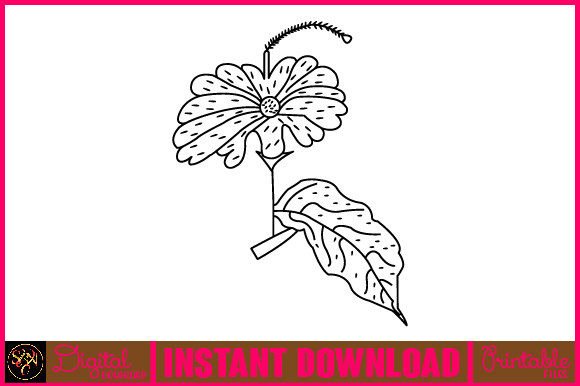
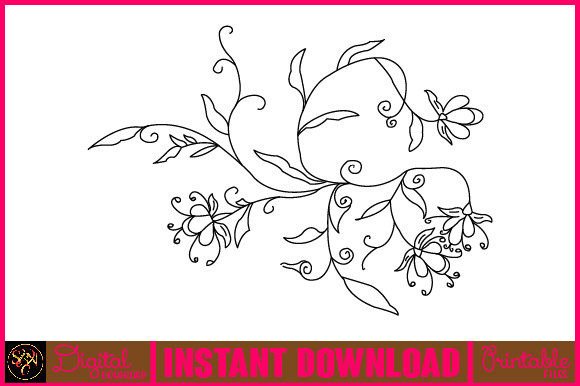
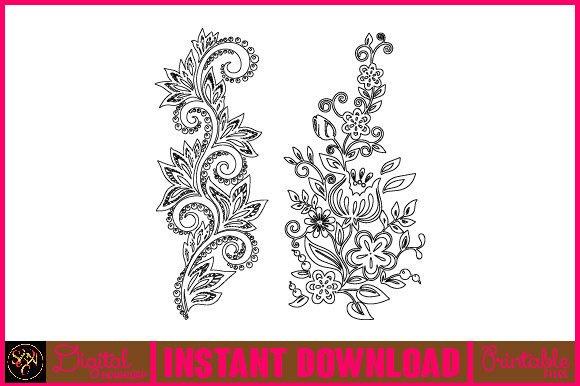
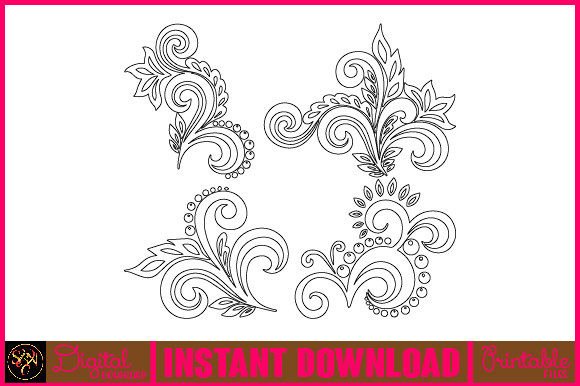
When I first opened the file, I noted the balance between the branch structures and the individual flower sketches. The layout suggests versatility. You are not locked into a single circular wreath; the elements allow for framing, corner accents, or standalone focal points. For an Etsy seller or small shop owner, this flexibility is gold. It means one purchase can yield multiple product variations without feeling repetitive. The "hand-drawn" aspect mentioned in the description is evident in the organic curves of the leaves and petals, which adds character that machine-perfect geometric shapes often lack.
Real-World Application: From Screen to Stitch
Let’s talk about how this machine embroidery design performs when you move it out of the digital workspace. I simulated several scenarios to see where Floral Line Art Flower SVG Elements 35 truly shines.
Custom Apparel and Tote Bags
I envisioned using this design on a canvas tote bag for a local craft fair. The line art style pairs beautifully with natural fibers. Because the design relies on thin lines rather than solid blocks of color, it does not overwhelm the texture of the fabric. On a sturdy cotton tote, the stitching remains crisp and legible. It elevates a basic accessory into a curated item. Similarly, for sweatshirt embroidery, placing a smaller version of the floral branch along the cuff or hem creates a subtle, high-end detail that customers appreciate but might not immediately articulate why they like.
Baby Items and Nursery Decor
There is a growing market for soft, gender-neutral baby gifts. The gentle curves of the botanical leaves in this set work wonderfully for baby clothes or nursery wall hangings. When stitched onto a muslin blanket or a onesie, the design feels safe, soft, and timeless. It avoids the loudness of cartoonish graphics, making it suitable for parents who prefer minimalist aesthetics. The "calligraphic" feel of some elements allows for easy integration with names, turning a simple floral motif into a personalized gift.
Commercial Embroidery and Branding
For creative entrepreneurs building a brand identity, consistency is key. If you are selling tea towels, aprons, or pillow covers, having a cohesive visual language helps. Floral Line Art Flower SVG Elements 35 provides that cohesion. It looks professional enough for boutique branding yet approachable enough for hobbyists. When used as part of a larger collection, it reinforces a brand’s commitment to quality and attention to detail.
Where Caution Is Required
No design is perfect for every situation, and being realistic about limitations is part of professional design judgment. There are specific contexts where you need to be careful with Floral Line Art Flower SVG Elements 35.
Small Hoop Sizes and Tiny Details
While the design is elegant, fine lines can sometimes merge if the hoop size is too small or if the stitch density is set incorrectly. If you are attempting to stitch this on a very small surface area, such as a tiny patch or a detailed section of a cap, you must inspect the small details closely. Thin lines may lose definition if the fabric stretches or if the thread tension is off. Always test on scrap fabric first to ensure the smallest strokes remain distinct.
Fabric Texture and Stability
This design assumes a relatively stable fabric base. On highly textured fabrics, such as heavy waffle-knit towels or loose-weave burlap, the fine lines might get lost or distort. Stretchy fabrics, like certain jersey knits used for t-shirts, require excellent stabilizer support. Without proper backing, the delicate branches could warp during stitching. Additionally, dark fabrics can challenge line art if you do not choose contrasting thread colors wisely. White or light pastel threads will pop, but black thread on black fabric will result in an invisible design.
Dense Stitch Areas
Although this is primarily a line art design, any application involving satin stitches around the edges of the flowers needs careful planning. Satin stitch can sometimes blur fine details if the angle changes abruptly. Ensure that the transition between running stitch (for the lines) and satin stitch (if used for outlining) is smooth. Check your stitch density settings to prevent the fabric from becoming stiff, which is particularly important for wearable items like baby clothes or comfortable loungewear.
Practical Designer Notes for Success
To get the most out of this embroidery file, follow these practical steps before committing to a final product:
- Test on Scrap Fabric: Never assume a design will stitch perfectly the first time. Run a test on the actual fabric you plan to use. This reveals issues with thread tension, stabilizer choice, and hooping stability.
- Check Thread Color Contrast: Use a mockup tool to visualize the design in different thread colors. Light threads on dark fabric usually offer the best clarity for line art.
- Review Stitch Density: Adjust the density if necessary. Too much thread can make the design look muddy; too little can make it look sparse. Find the balance that preserves the delicate nature of the sketch.
- Inspect Small Details: Zoom in on the digital file. Are there any overlapping lines that might cause threading errors? Are the corners of the leaves sharp enough?
- Confirm Licensing: Before selling finished items or digital products, verify the license terms. Ensure you have commercial rights if you intend to sell these embroidered goods on platforms like Etsy or at craft fairs.
- Use Proper Stabilizer: Depending on the fabric weight, you may need cut-away or tear-away stabilizer. This prevents distortion and ensures the longevity of the finished product.
Final Verdict
Floral Line Art Flower SVG Elements 35 is a strong addition to any designer’s library, particularly those focused on handmade products, personalized gifts, and boutique branding. Its strength lies in its versatility and its ability to convey elegance without overwhelming the viewer. It works beautifully for custom apparel, tote bags, baby items, and holiday embroidery projects.
However, success depends on execution. By paying attention to fabric choice, thread contrast, and stitch density, you can transform this digital asset into a tangible product that customers love. It is not just a graphic; it is a tool for creating meaningful, professional-looking embroidery projects. If you are looking to add a touch of botanical sophistication to your craft business or personal creations, this design delivers on its promise of quality and aesthetic appeal.